What we do
From glass etching to plant machinery, we choose the right grit and pressure for the job — dry, wet, low-pressure, high-pressure, blast-track or underwater.
What is blast cleaning?
Blast cleaning — commonly called sandblasting or grit blasting — runs from an air compressor that pumps air into a blasting pot holding abrasive grit. The mixture of grit and air is forced down a pipe and out through a nozzle to clean the work.
We can do either dry or wet blasting. Variable air pressure is essential on every job, from glass etching down to delicate or soft metals like alloy or car panels.
Multi-media abrasive
We use a wide range of grits for different jobs. We wouldn’t use a coarse abrasive on a 1960s split-screen campervan — the panels would come out like a tea bag. Nor would we use a hard abrasive on wood — it would splinter.
After 25 years on the tools we know which abrasive to use, and which to leave alone, on every material we’re likely to meet.
Scope of work
- 01 Abrasive blasting
- 02 Bead blasting (soft metals, cabinet work)
- 03 Dry and wet blasting
- 04 Low-pressure cleaning (glass etching)
- 05 High-pressure cleaning and power washing
- 06 Shot blasting
- 07 Blast-track blasting (floors)
- 08 Underwater blasting
- 09 Confined-space blasting
Methods and kit
- → Variable air pressure for glass, alloy, soft metals
- → Multi-media abrasive — coarse to fine
- → On-site or in-house service
- → Dry or wet blast service
Before / after
Cleaning — what changes.
Same job, two photos. The kind of result that explains itself.
-
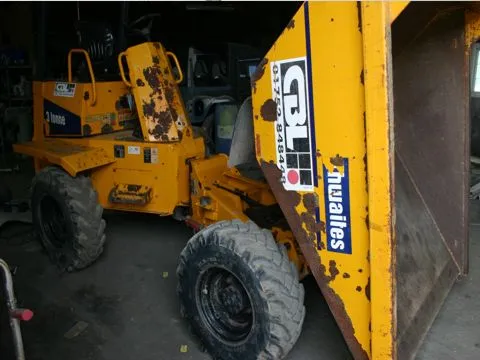
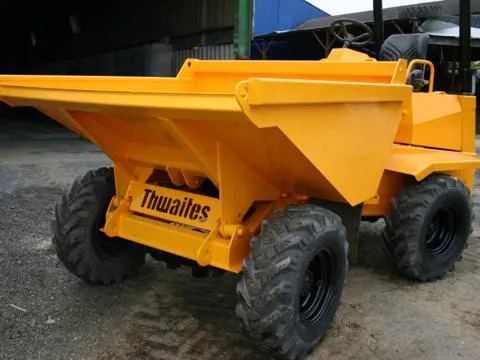
Before After Construction dumper — full strip and refinish
-
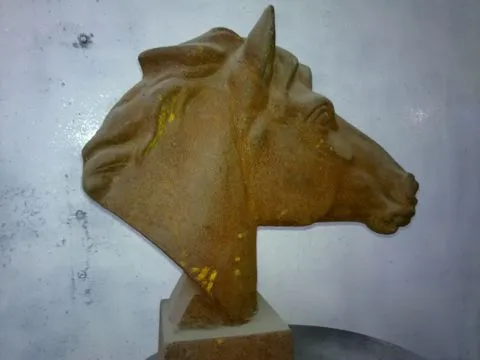
Before 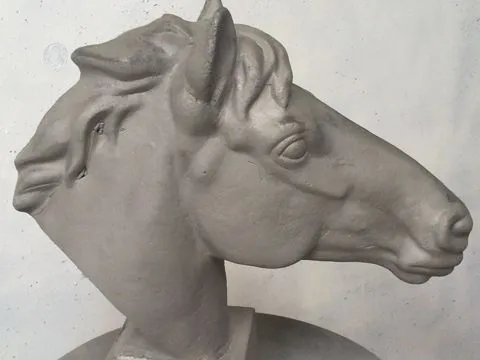
After Cast iron sculpture — heavy oxide removed
-
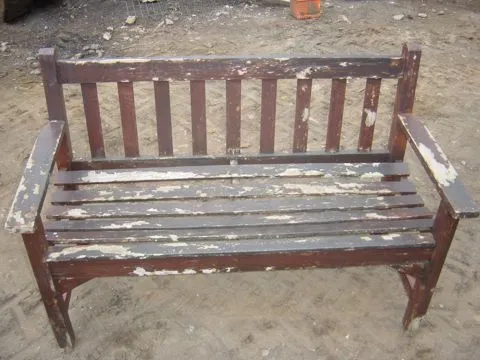
Before 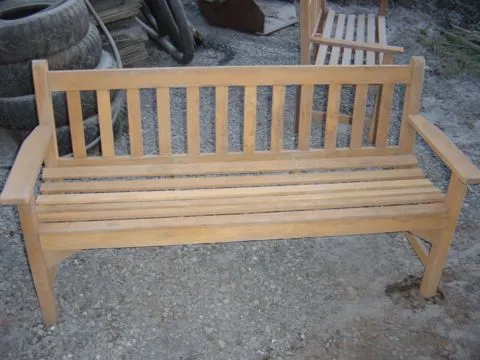
After Garden bench — cast iron, refinished
-
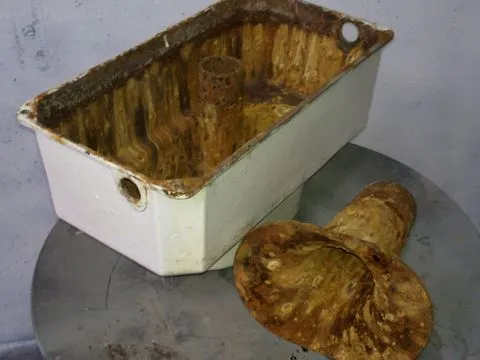
Before 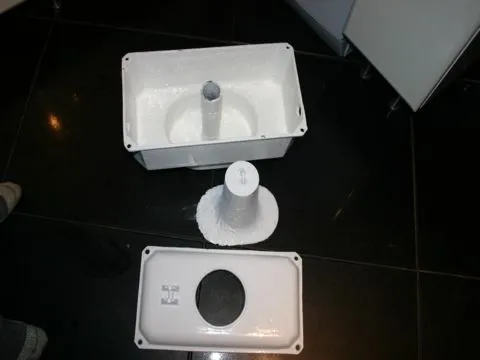
After Water tank — chemical-resistant coating
Gallery
Cleaning in the yard.
12 images
Related work
Where this kit has been.
Other disciplines
Have a cleaning job to price?
Phone the yard. Photo on WhatsApp works too — fastest way to a quote.